Staying in Alnwick
B&B Room or Self-Catering Cottage
Hosted mornings and a cooked breakfast against your own kitchen and your own hours: how to choose between a B&B room and a cottage in Alnwick.
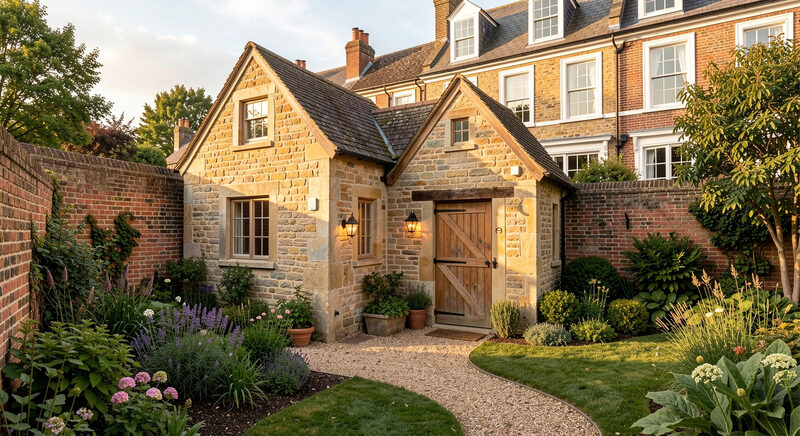
Alnwick offers both halves of the accommodation bargain within a few streets of each other: the hosted bed and breakfast, where someone else cooks and makes the bed, and the self-catering cottage, where the keys are yours and the kitchen is too. The choice is less about budget than about the shape of the stay, and the town's building stock supplies both forms in genuinely local versions.
What does the hosted stay actually buy?
A B&B in Alnwick buys three things a cottage cannot. The first is the morning table: a cooked breakfast made to order, which in this county means real local produce, as the breakfast guide describes. The second is the host, who typically knows the tide times for Holy Island, which castle needs a booking and which path into Hulne Park is open. The third is effortlessness: a two night stay carries no shopping, no washing up and no key safe code.
The building is often part of it too. Guest houses here are frequently old family houses with stories attached, the kind documented in the history of the Bondgate townhouse, and staying in one puts the visitor inside the town's domestic history rather than beside it.
What does a cottage buy instead?
Self-catering buys autonomy. Breakfast at six before a long walk, dinner at nine after the coast, children eating what they eat, a dog's bowl in the corner. Converted coach houses and stable blocks are the characteristic local form, often standing in walled gardens behind a main house, ground floor living with a door of one's own. For stays of four nights or more, or for visitors who intend to cook from the market and farm shops, the cottage usually wins on both comfort and cost per night.
Cottages also suit repeat visitors who already know the town's sights and no longer need the host's briefing. First time visitors often get more from the hosted stay precisely because the briefing is included.
What about the coach house and cottage form?
The coach house deserves a word of its own, since Alnwick's Georgian streets generated a stock of them: the stable and carriage space behind a townhouse, later converted to a dwelling or a letting cottage. A coach house stay typically means a private entrance, a sitting room under old beams or in a converted loft, a small kitchen and often a share of a walled garden. The Bondgate townhouse itself kept a coach house in its garden, converted to self-catering use in its last years as a guest business. The form suits visitors who want the town's address without the household's rhythm.
Who does each form suit best?
Hosted stays suit solo travellers especially, since the breakfast table provides company and the single room in a B&B exists precisely for them. Cottages suit families needing space and groups sharing costs. Visitors with dogs often find cottages simpler, though several of the town's guest houses accept dogs in chosen rooms, usually the ground floor or the coach house style rooms with their own doors.
How does the honest cost compare?
A B&B rate includes breakfast, heating, cleaning and the host's time, so the nightly figure is complete. A cottage rate excludes food and often adds a cleaning charge, but divides across more people and more nights. For a couple on a two night weekend the B&B is usually comparable or better value once breakfast is counted honestly, since the tariff structure shows breakfast is built into the rate rather than extra. For a family or a week long stay the cottage's per night economy and its kitchen pull ahead.
What about arrival and departure?
The two forms differ sharply at the edges of the stay. A B&B has a check-in window, a host waiting and a front door that locks; arrival is a greeting. A cottage has a key safe, a welcome folder and silence; arrival is a logistics exercise, parking first. Departure reverses it: the B&B wants the room by ten and the cottage often asks for a basic tidy. Neither is burdensome, but a visitor arriving on the last train or leaving before dawn should pick the form that matches the hours.
Which suits which trip?
A heritage weekend with the castle, the garden and dinner in town points to the B&B: minimal luggage, maximum local knowledge, breakfast done. A walking week in the Cheviots with early starts and muddy boots points to the cottage, ideally one with a utility room or a hose by the door. A mixed trip, two nights hosted then a cottage week, is a pattern regulars use, and the guest houses are used to recommending their cottage neighbours and vice versa.
Whichever form the stay takes, the day trips are the same: the castle circuit, the coast and its islands and the walking country all start within an easy morning of the town.